Can Dogs Eat Green Beans? Serving Sizes, Risks and Safety Tips
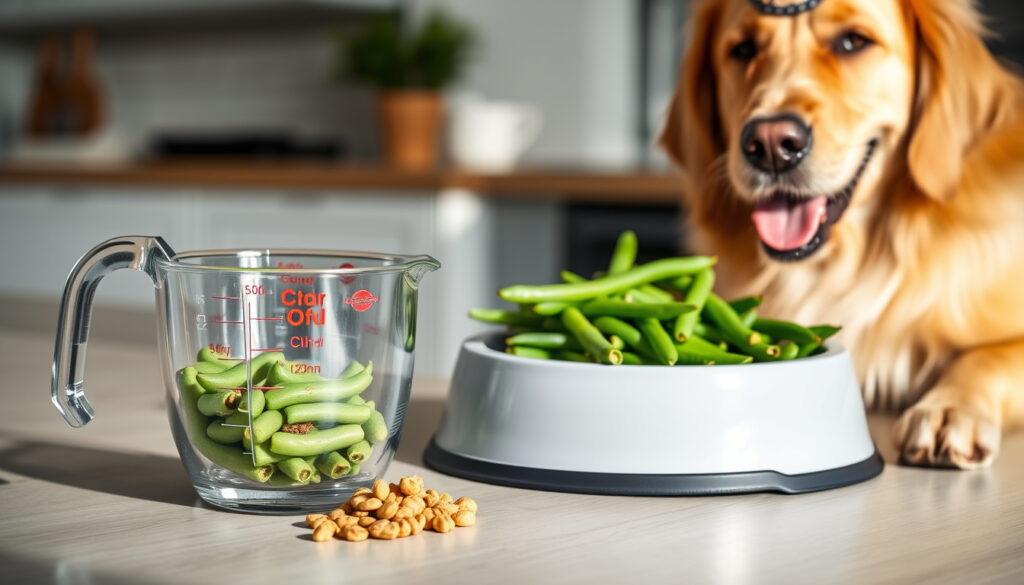
If you’ve ever been met with those big, hopeful eyes while munching on a handful of green beans, you’re not alone. Many dog owners wonder whether this crunchy vegetable can double as a treat, and the short answer is yes—but with a few important guidelines to keep your pup safe and healthy.
Calories in 1 cup raw green beans: 31 kcal ·
Dietary fiber per cup: 2.7 g ·
Safe serving for small dog (10 lbs): 1–2 beans ·
Safe serving for medium dog (30 lbs): 3–5 beans
Quick snapshot
- Plain green beans are safe for dogs (American Kennel Club, national canine registry)
- Raw, steamed, boiled, or roasted (plain) are all fine (PetMD, veterinary health network)
- Choking hazard if pieces are too large (AKC)
- Digestive upset if overfed (diarrhea, gas) (PetMD)
| Fact | Value | Source |
|---|---|---|
| Safe for dogs | Yes, plain green beans | AKC |
| Calories per cup | 31 kcal | AKC |
| Fiber per cup | 2.7 g | AKC |
| Serving for 10 lb dog | 1–2 beans | AKC |
| Preparation | Raw, steamed, boiled, roasted (no seasoning) | PetMD |
Can dogs eat green beans raw or cooked?
Raw green beans: benefits and precautions
- Raw green beans are safe and provide a satisfying crunch. They are low in calories and contain vitamins A, C, and K, plus minerals like manganese and iron (PetMD, veterinary health network).
- However, whole raw green beans can pose a choking hazard, especially for smaller dogs. Always cut them into bite-size pieces (American Kennel Club, national canine registry).
- Raw beans are slightly harder to digest than cooked. Introduce them slowly to avoid gas (PetMD).
Cooked green beans: best methods
- Boiling, steaming, or microwaving plain green beans softens them, making them easier to chew and digest (PetMD).
- Roasting without oil is another safe method. Cooking may reduce some folate and vitamin C, but the beans remain a nutritious treat (PetMD).
- Never add salt, butter, garlic, onions, or spices. These additives can harm your dog (AKC).
Canned green beans: what to avoid
- Plain canned green beans with no added salt or seasonings are generally safe (Chewy, pet retailer with veterinary advice).
- Most canned beans contain high sodium levels from added salt, which can be dangerous for dogs with heart or kidney issues (AKC).
- Always rinse canned beans thoroughly to reduce sodium, and check the label for any seasonings.
The takeaway: Green beans are a safe, crunchy treat in any plain form. The real risk isn’t the vegetable itself, but how you prepare it—skip the salt, butter, and seasonings every time.
How much green beans can I give my dog?
Serving size by dog weight
- Small dogs (under 20 lbs): 1–2 green beans per serving (AKC).
- Medium dogs (20–40 lbs): 3–5 beans. Large dogs (50+ lbs): 5–10 beans.
- Treats should not exceed 10% of your dog’s daily calories. For a 30-lb dog on a standard diet, that means about 20–30 calories from treats, which equals roughly 4–6 green beans (PetMD).
Frequency of feeding
- Green beans can be given a few times a week as part of a varied treat rotation. Some owners use them daily as a low-calorie filler, but that should only be a small portion of the diet (Pawlicy, pet insurance comparison site).
- The 10% rule applies: if you feed green beans daily, adjust other treats accordingly to keep total treat calories under 10% of daily intake (PetMD).
Signs of overfeeding
- Sudden increases in fiber can cause loose stools, diarrhea, or gas. Monitor your dog after introducing green beans (PetMD).
- Other signs: bloating, discomfort, reduced appetite for regular food. If these occur, cut back the amount.
- Veterinarians recommend starting with one small bean and waiting 24 hours to check tolerance (Dr. Lindsay Butzer, veterinarian on YouTube).
A small dog on a 200-calorie daily diet can only spare 20 calories for treats. That’s just 2–3 small green beans. Go beyond that and you risk unbalancing their nutrition or causing digestive trouble.
What veggies can dogs not eat?
Common toxic vegetables
- Onions and garlic (allium family) are toxic to dogs, damaging red blood cells and causing anemia. They are harmful in any form: raw, cooked, powdered (AKC).
- Mushrooms: wild mushrooms can be fatal. Even store-bought mushrooms should be avoided unless you are certain they are safe (some species cause gastrointestinal upset).
- Avocado contains persin, which can cause vomiting and diarrhea in dogs (AKC).
- Raw potatoes and rhubarb contain solanine and oxalates, respectively, which are toxic to dogs.
Onions and garlic (detailed)
- Even small amounts can be dangerous. A single garlic clove can cause toxicity in a small dog.
- Symptoms: weakness, pale gums, rapid breathing, dark urine. These may appear days after ingestion.
- Avoid any green beans cooked with garlic or onions (AKC).
Mushrooms
- Many wild mushrooms contain toxins that affect the liver, nervous system, or kidneys. Never feed your dog a mushroom unless you are 100% sure of its safety.
- Even common grocery mushrooms (white, cremini, portobello) are not recommended due to lack of nutritional benefit and risk of gastrointestinal upset.
Avocado
- The flesh contains persin, which is generally less toxic than the pit and skin but still can cause stomach upset.
- Large amounts can be dangerous. Keep avocados away from dogs.
Are green beans a laxative for dogs?
Fiber content and digestion
- One cup of green beans provides 2.7 g of dietary fiber. This is a moderate amount that can promote regular bowel movements (AKC).
- Fiber helps bulk up stool, but too much at once can stimulate the digestive tract too quickly, acting as a laxative.
When green beans cause digestive upset
- If a dog is not used to fiber, a sudden large serving can lead to diarrhea, gas, and abdominal discomfort (PetMD).
- Canned green beans with added salt or preservatives may also cause digestive issues.
- Signs: loose stools, increased frequency of bowel movements, flatulence. If these occur, reduce the serving.
Veterinary advice
- Introduce green beans gradually over several days. Start with one-tenth of your dog’s daily treat allowance.
- Consult your vet before using green beans as a weight-loss tool, especially if your dog has a medical condition (Pawlicy).
Fiber is a double-edged sword: it can help overweight dogs feel fuller on fewer calories, but the same blanket if given too fast leads to a messy cleanup.
Can dogs eat green beans everyday?
Daily feeding guidelines
- Yes, green beans can be fed daily in appropriate amounts, as long as they replace other treats to stay within the 10% calorie rule (AKC).
- A small dog can have 1–2 beans daily; a large dog can have up to 10, but spread across the day.
- Never let green beans become more than a small part of the diet. They lack protein, fat, and essential nutrients to replace complete dog food.
Nutritional balance
- Green beans are low in protein (2 g per cup) and very low in fat. They are not a meal replacement.
- A balanced dog food provides appropriate macronutrients. Treats like green beans should complement, not supplant, that balance.
- If using green beans regularly, ensure your dog still gets enough protein and healthy fats from their main diet (PetMD).
Alternative treats for variety
- Other safe vegetables: carrots, cucumber slices, zucchini, plain pumpkin (AKC).
- Rotating treats provides different nutrients and prevents boredom. Fruits like apple slices (no seeds) can also be used.
- Always introduce new treats one at a time to check for allergies or sensitivities.
How to Safely Prepare Green Beans for Your Dog
- Choose fresh or frozen (not canned) green beans if possible. If using canned, select low-sodium or no-salt-added and rinse well (Chewy).
- Wash the beans thoroughly to remove dirt and potential pesticide residues.
- Trim off the stem ends. Cut each bean into bite-size pieces appropriate for your dog’s size (small dogs: 1/2 inch, large dogs: 1 inch).
- Serve raw, or cook by boiling, steaming, or microwaving until tender. Do not add any salt, oil, butter, garlic, onion, or spices (PetMD).
- Let the beans cool to room temperature before serving to avoid burning your dog’s mouth.
- Start with one piece and observe your dog for 24 hours. If no digestive upset occurs, you can offer the full serving size (Dr. Lindsay Butzer, veterinarian).
- Store any leftovers in the refrigerator for up to 3 days.
For a broader perspective on canine joint health, read our guide on Hip Dysplasia in Dogs: Signs, Treatment, Prognosis.
Confirmed facts
- Green beans are safe for dogs when plain and properly prepared (AKC).
- Plain green beans provide vitamins A, C, and K, plus fiber (PetMD).
- Treats including green beans should not exceed 10% of daily calories (AKC).
- Onions and garlic are toxic to dogs (AKC).
- Canned green beans with added salt should be avoided (AKC).
What’s unclear
- Optimal daily quantity for different dog breeds remains unstudied; current guidelines are general (Pawlicy).
- The effectiveness of green beans for weight loss compared to other low-calorie treats is not established by controlled studies.
- Whether long-term daily feeding causes any subtle nutrient imbalances is unknown.
- The exact amount of sodium in various canned green bean products that is safe for dogs is not clearly defined.
Expert Insights on Green Beans for Dogs
Green beans are a healthy, low-calorie treat that can be fed raw or cooked as long as they are plain.
— AKC expert, American Kennel Club
Green beans are safe for dogs and can be a good source of fiber and vitamins. Cooked green beans may be easier to digest.
— Purina nutritionist, PetMD
Treats, including green beans, should account for only 10% of a dog’s daily diet. The other 90% must come from complete and balanced dog food.
— PetMD, veterinary health network
For dog owners looking for a guilt-free treat, green beans are a solid choice—low-calorie, crunchy, and packed with fiber. But they work best as a supplement, not a staple. If you are managing your dog’s weight, green beans can help add volume without extra calories. The trade-off: you must watch portions carefully and never let them replace balanced nutrition. For a medium-sized dog on a standard diet, the clear decision is to offer 3–5 plain green beans a few times a week, or daily as a small snack, and always keep the 10% rule in mind.
For a broader look at which legumes are safe, check our guide on other types of beans and their preparation tips.
Frequently asked questions
Can dogs eat frozen green beans?
Yes, plain frozen green beans are safe as long as they are thawed and cut into small pieces. Avoid any frozen beans with added sauces or seasonings.
Are green bean stems safe for dogs?
The stems are not toxic, but they can be tough and might pose a choking hazard. It is best to remove the stem ends before serving.
Can dogs eat green bean casserole?
No. Green bean casserole typically contains cream of mushroom soup, fried onions, salt, and butter—all of which are unhealthy and potentially dangerous for dogs.
Do green beans help dogs lose weight?
They can, as a low-calorie filler. Replacing part of a dog’s meal with green beans reduces calorie intake while maintaining volume. But they must not replace essential nutrients (Pawlicy).
Are green beans better than commercial treats?
For many dogs, yes—green beans are lower in calories and fat than most commercial treats. However, commercial dental chews or training treats may offer other benefits (teeth cleaning, high value). Variety is key.
Can puppies eat green beans?
Yes, but with extra caution. Puppies have smaller throats and more sensitive stomachs. Start with very small pieces of cooked, plain green beans and monitor closely.
Should I cook green beans before feeding my dog?
Not strictly necessary, but cooking makes them easier to digest and reduces any choking risk. If feeding raw, always cut into tiny pieces.
For another quick and healthy snack idea, check out our Air Fryer Green Beans – Crispy Recipe Guide.
More related posts
 Best Bagel Shop Near Me: Dublin’s Top Spots & Bagel Guide
 How Long Does a Period Last? Normal Length, Cycles, and Signs
 US Stock Market News Today: Indices, Movers & Investor Guidance
 Can I Pet That Dog? Meme Meaning, Origin & TikTok Sound
 Dog Kennels Near Me: Costs, Safety, and Alternatives (Guide)
 Hip Dysplasia in Dogs: Signs, Treatment, Prognosis
 McDonald’s Menu With Prices in Ireland (2026 Guide)
 Bernie Mac Movies and TV Shows: Complete Filmography
