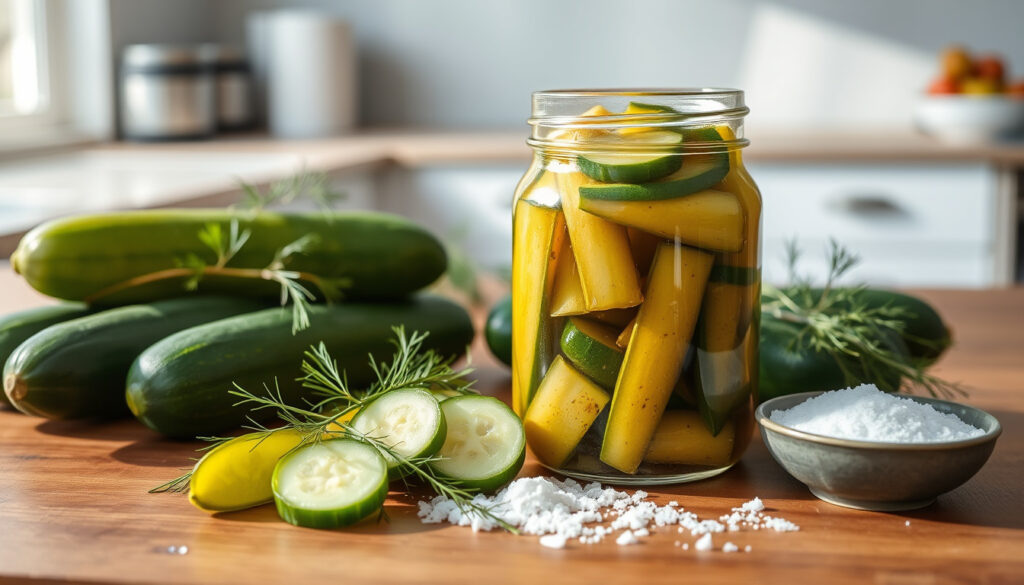
Are Pickles Good for You? Nutrition, Benefits, and Risks
Pickles offer a low-calorie crunch, but a single large dill pickle can pack roughly 800 milligrams of sodium — about a third of the recommended daily limit. Here’s how to separate the crunch from the myth, with expert-backed guidance on choosing the right pickle for your health.
Calories in one medium dill pickle: 5 ·
Sodium in one medium dill pickle: 800 mg ·
Vitamin K per pickle: 15% of Daily Value ·
Fermented pickles contain probiotics: Yes (live cultures) ·
Daily sodium limit recommended: 2,300 mg
Quick snapshot
- Pickles are very low in calories — about 5 per medium dill pickle (Cleveland Clinic, a leading U.S. medical center)
- Sodium content is high: 800–1,100 mg per pickle (OSF HealthCare, a health system)
- Fermented pickles contain live probiotics (Stanford Lifestyle Medicine, a research program)
- Pickles “cleaning” your gut is not a medical cleanse — probiotics may support digestion (OSF HealthCare)
- Cholesterol-lowering effect: limited evidence (Healthline, a health media outlet)
- Weight loss: indirect benefit from low calories, but not a proven weight-loss food (OSF HealthCare)
- No recent major studies shift the consensus; sodium remains the main health alert (OSF HealthCare)
- Growing interest in fermented pickles for probiotic benefits (Stanford Lifestyle Medicine)
The five numbers that define the pickle debate, summarized in one table.
| Measure | Value |
|---|---|
| Calories per medium dill pickle | 5 |
| Sodium per pickle | 800 mg |
| Vitamin K per pickle | 15% DV |
| Fermented pickles contain probiotics | Yes (live cultures) |
| Sugar in bread & butter pickle | 5g per serving |
Are pickles good for you?
Nutritional profile of pickles
- Pickles are made from cucumbers, so they inherit some of the vegetable’s nutrients. One medium dill pickle provides about 5 calories but delivers 15% of your daily vitamin K needs (Cleveland Clinic).
- They also contain small amounts of vitamin A, calcium, and potassium, along with antioxidants from the cucumbers (Stanford Lifestyle Medicine).
- The downside is the sodium: a single large pickle can exceed 800 mg, which is over a third of the 2,300 mg daily limit recommended by dietary guidelines.
Fermented vs vinegar pickles
The nutritional profile shifts dramatically depending on how the pickle is made. Fermented pickles are created using a saltwater brine that encourages natural fermentation by Lactobacillus bacteria. This process produces live probiotics — beneficial bacteria that can support gut health (Stanford Lifestyle Medicine). Vinegar pickles, by contrast, are made by adding vinegar to cucumbers and are typically pasteurized, which kills any probiotics. The vinegar method is faster and yields a tangier flavor, but lacks the microbial benefits.
Even fermented pickles are high in sodium. For anyone with high blood pressure, heart disease, or kidney disease, the probiotic advantage may not outweigh the salt risk (OSF HealthCare).
The trade-off: you get either probiotics or lower sodium, but rarely both. Choosing fermented pickles from the refrigerated section — labeled “unpasteurized” or “live cultures” — gives you the best chance of getting active cultures while still controlling portion size.
Is it healthy to eat a pickle a day?
How much sodium is in a pickle?
- A standard medium dill pickle contains about 800 mg of sodium; a large pickle can reach 1,100 mg (OSF HealthCare). That’s close to half the entire daily recommended intake of 2,300 mg.
- If you eat two pickles, you may exceed the daily sodium limit, especially if other meals contain added salt.
Who should limit pickle intake?
People with hypertension, heart failure, or chronic kidney disease should be particularly cautious. The American Heart Association advises limiting sodium to 1,500 mg per day for those with high blood pressure — a single pickle can consume more than half that allowance (Cleveland Clinic). Expectant mothers may also want to watch their intake because pregnancy can increase sensitivity to salt.
For most healthy adults, one pickle per day is generally safe — as long as the rest of the diet remains low in sodium. The key is to balance the pickle with low-salt meals and stay hydrated.
A single daily pickle can fit into a 2,300 mg sodium plan, but not if you also eat processed meats, canned soups, or salty cheeses. The pickle is often the tipping point, not the problem itself.
What are the benefits of eating pickles?
Pickles and weight loss
- At only 5 calories per pickle, they make a satisfying low-calorie snack. Swapping a cookie or bag of chips for a pickle saves 100–200 calories (OSF HealthCare).
- No strong evidence proves pickles directly cause weight loss. Their benefit is indirect: they can replace higher-calorie snacks and add crunch without sugar (except sweet varieties).
Pickles for heart health
The antioxidants in cucumbers — including beta-carotene and vitamin C — can help reduce oxidative stress. However, the high sodium content counteracts these benefits for heart patients. Cleveland Clinic notes that people with heart issues should generally steer clear of pickles because of the salt (Cleveland Clinic). The net effect for a healthy person is neutral: some antioxidants, but also a sodium load that raises blood pressure acutely.
Pickles during pregnancy
Cravings for pickles during pregnancy are common — and they are safe in moderation, provided you stay within sodium limits. The vinegar in pickles may even help with nausea by providing a sharp taste that settles the stomach. Always rinse pickles to reduce surface salt, and opt for low-sodium versions when available.
Do pickles clean your gut?
How fermentation affects pickles
Only pickles made through natural fermentation — submerged in a saltwater brine and left to ferment at room temperature — contain live probiotic bacteria. These Lactobacillus organisms are the same ones found in yogurt and sauerkraut (Stanford Lifestyle Medicine). To get them, look for “fermented” or “unpasteurized” on the label and check the refrigerated section. Shelf-stable jars are almost always pasteurized and contain no live cultures.
Probiotic benefits for digestion
Consuming live probiotics can support digestive health by maintaining a balanced gut microbiome. OSF HealthCare says probiotic fermented pickles may support the digestive system, brain, and immune system (OSF HealthCare). However, this is not a “cleanse” — your gut already has its own cleaning mechanisms. Think of probiotics as helpful reinforcements, not a detox tool.
The pattern: the only pickles that offer gut benefits are refrigerated, unpasteurized fermented ones. Most standard grocery pickles are vinegar-based and offer no probiotics.
What is the 321 pickle rule?
How to make quick pickles at home
The 3-2-1 rule is a simple ratio for quick pickling: 3 parts vinegar, 2 parts water, 1 part sugar (by volume). For example, 1½ cups vinegar, 1 cup water, ½ cup sugar. Combine, bring to a boil, pour over sliced cucumbers in a jar, and refrigerate. This yields a sweet-tangy refrigerated pickle in 24 hours (Healthline).
Adjusting the rule for healthier pickles
- Reduce or omit sugar for a savory pickle — try zero sugar for a keto-friendly version.
- Cut the vinegar-to-water ratio to 1:1 for a milder brine.
- Add spices like dill, garlic, or red pepper flakes for flavor without extra sodium.
Making your own pickles lets you control both salt and sugar. A typical homemade brine uses 1-2 tablespoons of salt per cup of water, far less than many store-bought varieties. This is the most reliable way to enjoy pickles without the sodium overload.
Upsides and downsides of pickles
Upsides
- Very low calorie — great for snacking
- Contains vitamins K and A, plus antioxidants
- Fermented versions offer probiotics
- Can satisfy crunch cravings without chips
- Easy to make at home to control salt and sugar
Downsides
- High sodium: 800-1,100 mg per pickle
- Risk for people with hypertension, heart disease, kidney disease
- Vinegar pickles lack probiotics
- Added sugar in bread & butter styles
- Acidic — may erode tooth enamel over time
How to choose healthy pickles (step-by-step)
- Check the ingredients list. If it lists “vinegar” first and “cucumbers” second, it’s a vinegar pickle — no probiotics. Look for “salt brine” or “fermented”.
- Browse the refrigerated section. Real fermented pickles are kept cold and often labeled “unpasteurized” or “live cultures” (Stanford Lifestyle Medicine).
- Read the sodium line. Aim for pickles with under 400 mg per serving (about half a pickle). Some brands offer reduced-sodium versions.
- Avoid added sugar. Bread & butter pickles can have 5g sugar per serving — choose dill or kosher styles instead.
- Consider homemade. Use the 3-2-1 rule but cut the sugar and salt by half. You’ll get fresh crunch and full control.
What’s confirmed and what’s still uncertain
Confirmed facts
- Pickles are low in calories (Cleveland Clinic)
- Sodium content is high (800mg+ per pickle) (OSF HealthCare)
- Fermented pickles contain live probiotics (Stanford Lifestyle Medicine)
What’s unclear
- Pickles clean your gut? Not a medical cleanse — probiotics may support digestion (OSF HealthCare)
- Pickles lower cholesterol? Limited evidence, more research needed (Healthline)
- Pickles for weight loss? Indirect benefit, not a proven weight-loss food
“Fermented pickles are a low-calorie food rich in probiotics, which support a healthy balance of gut bacteria.”
— Registered dietitian quoted in Real Simple, a lifestyle publication
“Cucumbers contain fiber, calcium, potassium and vitamins A, C and K.”
— OSF HealthCare
“Pickles are high in sodium, so eat in moderation.”
For the average healthy eater, the verdict is clear: pickles are fine in moderation, especially if you choose fermented varieties and watch your overall sodium intake. For anyone with hypertension, heart disease, or kidney concerns, even one pickle a day may push sodium past a safe level. The smartest move? Make your own at home, where you control the salt.
Frequently asked questions
Are pickles acidic for your teeth?
Yes. The vinegar in pickles can erode tooth enamel over time, especially if you eat them frequently. Rinsing your mouth with water afterward helps reduce acid exposure.
Can pickles cause bloating?
For some people, yes. The high sodium content can cause water retention, leading to bloating. Fermented pickles may also cause gas in sensitive individuals.
Are pickles keto-friendly?
Dill pickles are keto-friendly (1g carb per pickle). Bread & butter pickles have added sugar and are not suitable for strict keto.
Do pickles have sugar?
Dill pickles generally have trace amounts (0-1g). Bread & butter pickles can have 5g sugar per serving. Always check the label.
Are homemade pickles healthier than store-bought?
Yes. You control the salt and sugar. Homemade fermented pickles can also contain live probiotics if not pasteurized.
What’s the difference between fermented and vinegar pickles?
Fermented pickles use a saltwater brine and natural bacteria for preservation, producing probiotics. Vinegar pickles use an acid brine and are typically pasteurized, killing any bacteria.
Can diabetics eat pickles?
Yes, in moderation. Dill pickles have a low glycemic index and minimal sugar. But watch the sodium — especially if you have diabetic kidney issues.
Are pickles safe during pregnancy?
Yes, within reason. The vinegar can help with nausea, but the high sodium requires caution if you have pregnancy-related hypertension. Rinsing pickles before eating reduces salt.
More related posts
 What Doe Amen Mean? Hebrew Root and Biblical U e
 Garden Tower Defen e Code (May 2026): Full Li t & Redeem
 Jonathan Bennett Movies and TV Shows: Full Career Guide
 Is Charlie Kirk Still Alive? Assassination Confirmed
 Jobs for 14 Year Olds – Legal Rules, Hours, Best Options
 Hand on Shoulder Meme: Origin, Meaning, and All Variations
 Cast of Untamed Miniseries: Actors & Characters Guide
 US Stock Market News Today: Indices, Movers & Investor Guidance
