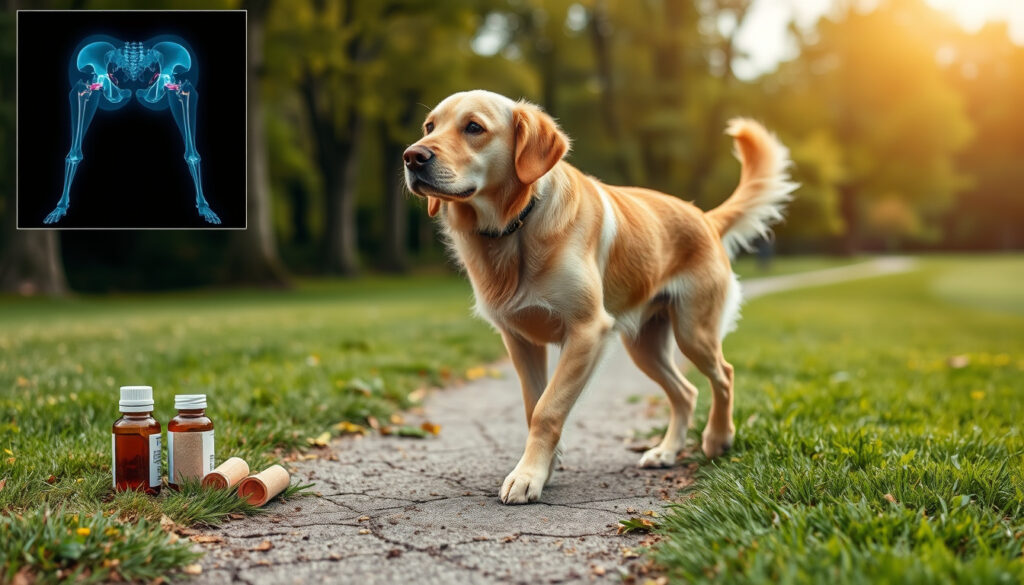
Hip Dysplasia in Dogs: Symptoms, Treatment, Prognosis
If your dog is slowing down, struggling to get up after rest, or moving with a telltale bunny-hop instead of a normal gait, you are not alone. Hip dysplasia is the most common inherited orthopedic condition in dogs, affecting an estimated 15.56% of all breeds across their lifetime. The good news is that with the right knowledge, you can catch it early, manage it effectively, and give your dog a full, active life.
Primary Cause: Genetic joint laxity · Common In: Large breed dogs · Key Complication: Osteoarthritis · Onset Stage: Growth phase · Influences: Diet and environment
Quick snapshot
- Hip dysplasia is a developmental joint laxity that typically leads to osteoarthritis (Morris Animal Foundation)
- Exact lifespan variation depends heavily on individual case severity and treatment adherence (GoodRx Pet Health)
- Symptoms can appear as early as 5–8 months or remain hidden until adulthood or senior years (TopDog Health)
- Surgical options such as total hip replacement show 90–95% excellent post-operative function (Morris Animal Foundation)
Hip dysplasia prevalence varies dramatically across breeds, ranging from effectively zero in some sighthounds to over 77% in certain bulldog-type dogs, with surgical outcomes generally favorable when properly indicated.
| Attribute | Detail |
|---|---|
| Overall prevalence | 15.56% across all dog breeds |
| Breed range | 0% (Italian Greyhound) to 77.7% (Bulldog) |
| THR success rate | 90–95% excellent post-surgery function |
| TPO success rate | 80–90% regaining good or better function within 3 months |
| Later treatment need | ~30% require additional treatment later in life |
What Are the First Signs of Hip Dysplasia in Dogs?
The earlier you spot hip dysplasia, the more treatment options you typically have. Here is what to watch for in your dog’s day-to-day movement and behavior.
Early Indicators
- A bunny-hop gait, where both hind legs move together instead of independently
- Limping or lameness that worsens after exercise or long activity
- Reluctance to jump, climb stairs, or rise from a resting position
Behavioral Changes
- Decreased activity or interest in walks and play
- Difficulty sitting comfortably or maintaining a sitting posture
- Stiffness, especially after rest or upon waking
Physical Examination Signs
- Limited range of motion in the hip joint
- A possible audible grating or clicking sound when the hip extends or flexes
- Noticeable muscle wasting in the hindquarters over time
Diagnosis requires a veterinarian’s physical exam and confirmatory X-rays to assess how the ball and socket fit together. If you notice any of these signs, schedule a vet visit early — young dogs sometimes appear to improve on their own as the body lays down fibrous tissue to stabilize a loose joint, but this does not resolve the underlying problem.
How Long Can Dogs Live with Hip Dysplasia?
Hip dysplasia is a chronic condition, but it is not fatal. The real question is not lifespan but quality of life — and that depends largely on how proactively the condition is managed.
Stages and Progression
- Hip dysplasia itself does not typically shorten a dog’s natural lifespan when managed appropriately
- The condition progresses differently: some dogs show signs at 5–8 months, others not until adult or senior years
- Approximately 30% of dogs with hip dysplasia will need additional treatment later in life, according to the Morris Animal Foundation
Factors Affecting Lifespan
- The degree of joint laxity and the speed of osteoarthritis development
- How well the dog responds to weight management and anti-inflammatory therapy
- Whether surgical intervention is needed and how well the dog tolerates it
Quality of Life Management
- Maintaining an optimal body weight is the single most important factor in prolonging mobility
- Joint supplements such as glucosamine and chondroitin support cartilage health
- Regular, low-impact exercise helps maintain muscle mass around the joint
Large dogs present a particular challenge: when dysplasia becomes severe and mobility declines, their size makes assisted movement or caregiving significantly harder for owners. Managing the condition before it reaches that point is far better for both dog and caregiver.
Can Dog Hip Dysplasia Be Fixed?
There is no outright cure for hip dysplasia, but a well-calibrated treatment plan — combining lifestyle management, medication, and in some cases surgery — can restore excellent function and dramatically reduce pain.
Conservative Treatments
- Weight reduction to lessen load on the hip joint
- Controlled, low-impact exercise and physical therapy
- Non-steroidal anti-inflammatory medications (NSAIDs) for pain and inflammation
- Joint supplements containing glucosamine, chondroitin, and omega-3 fatty acids
Surgical Options
- Triple Pelvic Osteotomy (TPO): Best for young dogs whose skeletons are still developing. The procedure has an 80–90% success rate, with most dogs regaining good or better function within 3 months, per the Morris Animal Foundation.
- Total Hip Replacement (THR): The gold standard for dogs at least 1 year old with fully grown skeletons. Ninety to 95% of dogs achieve excellent post-surgery function, according to the Morris Animal Foundation.
- Femoral Head Ostectomy (FHO): Can be performed on dogs of any age. The ball of the hip joint is removed to eliminate the pain of bone-on-bone contact, creating a false joint over time.
Home Management Steps
- Keep your dog at a lean body weight — every excess pound adds stress to the hip joint
- Use ramps instead of stairs where possible, especially for furniture access
- Provide orthopedic bedding to reduce pressure on joints during rest
- Apply warm compresses before exercise to loosen stiff joints
Regenerative therapies such as adipose-derived stem cell injections are showing promise in reducing clinical signs of hip pain, according to research published in NIH/PMC. Platelet-rich plasma combined with physical therapy also improved limb function in dogs with hip dysplasia-related osteoarthritis.
There is no cure for hip dysplasia, but that does not mean the condition wins. With a combination of weight control, appropriate exercise, and either medical or surgical intervention, most dogs can achieve a quality of life that owners find entirely acceptable.
Are Dogs with Hip Dysplasia Always in Pain?
Not all dogs with hip dysplasia are in constant pain. Severity varies widely depending on the degree of joint laxity, the progression of osteoarthritis, and individual pain tolerance.
Pain Levels by Stage
- Mild hip dysplasia may produce few outward signs, especially in the early years
- Moderate cases often develop chronic pain as osteoarthritis sets in, typically described as a constant low-grade ache
- Severe cases cause significant pain that worsens with activity and may require surgical intervention
Signs of Discomfort
- Hesitance to jump, climb, or navigate uneven ground
- Avoidance of slippery floors or surfaces that require hip flexion
- Reduced enthusiasm for walks or play that previously brought joy
- Changes in sleeping posture — often shifting to with the affected hip extended
Pain Relief Strategies
- Prescription or vet-recommended NSAIDs to manage inflammation
- Joint supplements that support cartilage integrity and reduce inflammatory mediators
- Physical therapy and hydrotherapy to maintain joint range of motion without high impact
- Weight management, which is both preventive and therapeutic for pain control
Dogs are remarkably stoic — they tend to mask pain until it becomes severe. By the time obvious limping appears, cartilage damage has typically been building for months or years. Regular veterinary checkups catch what casual observation might miss.
Working with a veterinarian to establish a pain monitoring routine pays dividends. Subtle behavioral shifts — a dog less eager to greet you at the door, a reluctance to use a particular spot on the couch — can be the earliest signals that pain is increasing.
Which Dog Breeds Are Most Prone to Hip Dysplasia?
Hip dysplasia is strongly inherited, which means breed choice plays a direct role in a dog’s orthopedic future. Prevalence varies dramatically — from effectively zero in some sighthound breeds to over 77% in certain bulldog-type dogs.
High-Risk Large Breeds
- Bulldogs lead all breeds at 77.7% prevalence, followed closely by English Bulldogs, Pugs, and Bordeaux Dogs at over 50%
- St. Bernards carry a 46.8% dysplasia rate
- Other high-risk breeds include Mastiffs, French Bulldogs, and German Shepherd Dogs
Genetic and Environmental Risks
- The condition is polygenic — multiple genes contribute to susceptibility
- Rapid growth in puppyhood, combined with poor nutrition, amplifies genetic predisposition
- Overfeeding high-calorie diets to large breed puppies is a documented environmental risk factor
Prevention in Breeding
- Reputable breeders use OFA certification or PennHIP evaluation before breeding decisions
- Among American Kennel Club groups, the working dog group carries the highest risk; the hound group carries the lowest
- Owners adopting large breed puppies should ask breeders for parental hip scores — this is a reasonable and standard request from ethical breeders
Greyhounds present a striking contrast: they have virtually no known cases of hip dysplasia, making them a model of what structurally sound hip joints look like in the canine world.
Upsides
- Hip dysplasia is manageable with weight control, exercise, and medication in most cases
- Surgical options like THR deliver 90–95% excellent outcomes for appropriate candidates
- The condition is not fatal — dogs can live full, active lives with the right care plan
- Early detection in puppies gives owners the widest range of treatment options
Downsides
- Hip dysplasia is incurable — management is lifelong, not temporary
- Approximately 30% of affected dogs will need additional treatment or surgery later in life
- Larger dogs are significantly harder to manage when mobility declines
- Veterinary care, surgery, and ongoing therapy can be expensive
Related reading: Fibrous Papule of the Nose – Causes, Diagnosis and Treatment
dvm360.com, direwolfproject.com, pmc.ncbi.nlm.nih.gov, ortocanis.com, akc.org, instituteofcaninebiology.org, orthodog.com, frontiersin.org, animalkingdomvet.net
Frequently Asked Questions
Is hip dysplasia in dogs fatal?
Hip dysplasia itself is not fatal. It is a chronic developmental condition that affects quality of life and mobility, not life expectancy. With proper management — weight control, joint supplements, anti-inflammatory medication, and in some cases surgery — most dogs with hip dysplasia live normal lifespans.
What is mistaken for hip dysplasia in dogs?
Other conditions that can mimic hip dysplasia include cruciate ligament tears, osteoarthritis in other joints, spinal cord issues such as disc disease, Lyme disease-related arthritis, and patellar luxation. A veterinarian can distinguish these conditions through physical examination and X-rays.
What is the treatment cost for hip dysplasia in dogs?
Costs vary widely depending on geography, clinic, and the treatment path chosen. Conservative management with medication and supplements costs less upfront but requires ongoing purchases. Total hip replacement surgery, the most effective surgical option, typically costs between several thousand and over ten thousand dollars per hip, depending on the clinic and region.
What are the stages of hip dysplasia in dogs?
Veterinarians typically grade hip dysplasia using the OFA scoring system, ranging from Excellent (normal) to Severe (dysplastic). The scale runs from A1 through E2, with grades B1–B2 representing borderline or fair hip conformation. Higher grades indicate more severe joint laxity and dislocation risk.
What is dog hip dysplasia home treatment?
Home management centers on maintaining lean body weight, providing controlled low-impact exercise such as short leash walks or swimming, using ramps to avoid stairs, and supplementing with glucosamine, chondroitin, and omega-3s. Orthopedic bedding and warm compresses before activity also support comfort at home.
How to prevent hip dysplasia in dogs?
True prevention is not possible because the condition is largely genetic, but you can reduce severity and impact. Choose a puppy from a breeder who performs OFA or PennHIP screening on breeding dogs. Feed large breed puppies a measured, growth-formula diet to avoid rapid weight gain. Avoid over-exercising young puppies on hard surfaces, and maintain lifelong weight control.
Does hip dysplasia always require surgery?
No. Many dogs with mild to moderate hip dysplasia live comfortably with conservative management alone — weight control, joint supplements, anti-inflammatory medications, and physical therapy. Surgery is typically considered when pain is poorly controlled, mobility is significantly impaired, or the dog’s quality of life is declining despite medical management.
Can a dog live a normal life with hip dysplasia?
Yes, especially with early intervention. Many dogs with mild dysplasia lead fully normal, active lives. Even dogs with moderate dysplasia can thrive with a committed management plan. The variables that most strongly influence outcomes are owner consistency with weight management, exercise protocol, and follow-up veterinary care.
More related posts
 The Women by Kristin Hannah: Summary and Review
 Liberty Mutual Insurance Company: Ownership, News & Contacts
 Rune Factory Guardians of Azuma Review – Is It Worth It
 Buffalo Bills vs Atlanta Falcons: Score, Recap, Highlights
 Empower Field at Mile High: History, Altitude, What’s Next
 How Many Miles Is 10,000 Steps? Distance, Benefits & Weight Loss
 Oliver Hudson Movies and TV Shows: Full Career Guide
 How Long Does a Period Last? Normal Length, Cycles, and Signs
