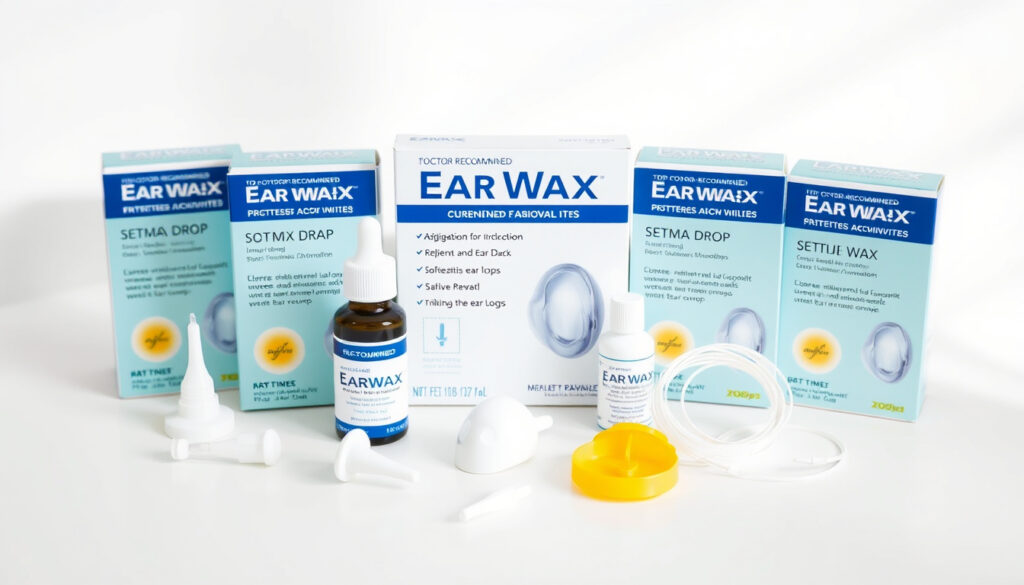
Ear Wax Removal Kit – Top Doctor-Recommended Picks
Earwax buildup affects millions of people each year, leading to discomfort, muffled hearing, and sometimes more serious complications. For those seeking relief at home, ear wax removal kits have become increasingly popular alternatives to professional medical visits. These products range from simple softening drops to sophisticated camera-guided systems, offering various approaches to managing earwax safely. Understanding which kit best suits individual needs requires examining effectiveness, safety profiles, and ease of use based on current evidence and expert recommendations.
The market for ear wax removal products has expanded significantly, with Amazon listing over 700 competing products and thousands of weekly searches from consumers seeking solutions. This surge in demand reflects both greater awareness of ear health and the convenience these kits provide. However, not all products deliver equal results, and proper usage remains critical to avoiding potential harm. Medical professionals emphasize that while home kits can be effective for routine maintenance, certain situations require professional intervention.
This guide examines the leading ear wax removal kits available in 2025, their mechanisms of action, safety considerations, and how they compare to alternatives. The information draws from clinical guidance, expert reviews, and consumer feedback to help readers make informed decisions about managing earwax at home.
What Is the Best Ear Wax Removal Kit?
Audiologists and physicians frequently recommend several products that have demonstrated reliability and safety in both clinical settings and home use. The following overview highlights the top performers based on 2025 reviews and expert assessments.
Top Product Overview
Debrox Earwax Removal Kit stands out as the most doctor-recommended option, combining 6.5% carbamide peroxide drops with a rubber bulb syringe for effective wax softening and flushing at an affordable price point.
Debrox Earwax Removal Kit
$10–$30
FDA-cleared drops
Adults 12+, routine use
Key Insights
- Debrox and NeilMed lead rankings due to their proven carbamide peroxide formulas approved for over-the-counter earwax removal
- Camera-guided kits like Bebird have surged in popularity since 2023, offering real-time visibility during cleaning
- Irrigation systems with disposable tips reduce infection risk compared to reusable components
- Amazon best-sellers align closely with expert recommendations, though rankings fluctuate weekly
- Natural alternatives lack the consistent efficacy of chemical-based kits according to comparative reviews
- All professionally reviewed kits are safer than cotton swabs, which push wax deeper into the canal
Snapshot Facts
| Fact | Details |
|---|---|
| Earwax Purpose | Protects the ear canal from dust, bacteria, and foreign particles |
| Safe Methods | Softening drops, irrigation, and camera-guided removal |
| Methods to Avoid | Cotton swabs, paper clips, and manual scooping without guidance |
| When to See a Doctor | Persistent pain, sudden hearing loss, or suspected impaction |
| Age Restrictions | Most kits safe for ages 12 and older |
| Typical Timeline | Results visible within 1–2 sessions for moderate buildup |
How Do You Use an Ear Wax Removal Kit?
Understanding the mechanics behind ear wax removal kits helps users achieve better outcomes while minimizing risks. Different kit types employ distinct methods, each with specific protocols for optimal results.
Softening Drops and Irrigation Method
Products like Debrox and NeilMed utilize carbamide peroxide, which releases oxygen bubbles upon contact with earwax. This chemical reaction loosens and liquefies accumulated wax over several days of consistent application. The typical process involves applying drops twice daily while lying on one’s side, allowing the solution to penetrate for several minutes before draining.
After the softening phase, irrigation completes the removal process. Users fill the accompanying bulb syringe with warm water at body temperature, tilt their head over a collection basin, and gently flush the loosened wax from the canal. This two-step approach has remained the standard since the 1990s and continues to receive strong endorsement from healthcare providers.
Camera-Guided and Electric Systems
Modern camera endoscopes, such as the Bebird system with 1080p HD visualization, allow users to see inside their ear canal in real time via smartphone connection. This visibility helps prevent accidentally pushing wax deeper or damaging sensitive structures. The process involves inserting the silicone-tipped probe, observing the screen, and carefully scooping debris using low-speed rotational movements.
Electric and camera-guided kits require steady hands and adequate lighting. Working with a partner significantly improves safety and effectiveness for these systems.
Irrigation Bottle Systems
Physician-designed irrigation bottles, including the DOCTOR EASY Elephant Ear Washer, provide continuous water flow through specialized nozzles. These systems often include disposable tips to maintain hygiene across multiple uses. The controlled pressure delivery system mimics professional ear irrigation equipment, making it suitable for users with sensitive ears who find traditional syringes uncomfortable.
General Safety Guidelines
- Never force water into the ear canal; pressure should remain gentle and controlled
- Stop immediately if experiencing dizziness, pain, or bleeding
- Avoid use if diagnosed with perforated eardrums or active ear infections
- Warm water prevents dizziness caused by temperature shock to the inner ear
- Dispose of single-use tips after each session to prevent bacterial contamination
Are Ear Wax Removal Kits Safe to Use?
When used according to instructions, ear wax removal kits present significantly lower risk than improper home methods such as cotton swab insertion. However, each kit type carries specific considerations that users should understand before beginning treatment.
Risks by Kit Type
| Kit Type | Primary Risks | Risk Mitigation |
|---|---|---|
| Drops + Syringe | Mild bubbling discomfort, temporary dizziness from cold water | Use warm water, follow dosing instructions |
| Irrigation Systems | Infection from reused tips, middle ear damage from excessive pressure | Use disposable tips, maintain low pressure settings |
| Camera/Electric | Eardrum jolt at high speeds, pushing wax deeper | Use soft silicone tips, operate at low speeds, maintain visibility |
| Manual Scoop | Canal scratching, infection introduction | Avoid entirely; use professionally guided tools instead |
When Professional Care Is Necessary
Certain symptoms warrant immediate consultation with an ENT specialist rather than continued home treatment. According to medical guidance, users should seek professional care if experiencing severe pain, sudden hearing loss, drainage or bleeding from the ear, fever indicating possible infection, or dizziness that persists after water exposure. Additionally, individuals with previous ear surgery, recurrent infections, or known eardrum abnormalities should avoid home kits entirely.
No ear wax removal kit carries universal FDA approval as a complete device. However, carbamide peroxide drops used in Debrox and NeilMed meet FDA over-the-counter standards for earwax removal. Camera and irrigation kits function as consumer wellness products rather than medical devices.
Comparing Safety to Common Alternatives
Cotton swabs remain the most commonly misused tool despite widespread awareness of their risks. Medical professionals consistently warn that swabs push wax deeper into the narrowing ear canal, potentially creating impacted blockages against the eardrum. FDA guidance explicitly advises against inserting any objects into ears, citing numerous cases of injury requiring medical intervention.
What Are the Alternatives to Ear Wax Removal Kits?
Not everyone requires or prefers a dedicated kit for earwax management. Understanding available alternatives helps consumers make choices aligned with their comfort level, budget, and specific ear health needs.
Natural Oil-Based Softening
Olive oil, almond oil, and diluted hydrogen peroxide have served as traditional remedies for generations. These substances work through gradual softening rather than chemical dissolution, requiring several days of consistent application to show results. While gentler than commercial drops, natural oils lack the proven efficacy demonstrated in comparative reviews and may introduce contamination risk if not properly sterile.
Comparison: Natural Alternatives vs. Commercial Drops
| Aspect | Natural Alternatives | Commercial Drops |
|---|---|---|
| Examples | Olive oil, almond oil, diluted hydrogen peroxide | Debrox, NeilMed with carbamide peroxide |
| Speed | Gradual softening over days | Effective within hours to days |
| Effectiveness | Variable; less reliable for significant buildup | Consistent results documented in reviews |
| Medical Endorsement | Limited clinical validation | Recommended by physicians and pharmacists |
| Safety Considerations | Risk of contamination if not sterile | Proven safe when used as directed |
Professional Medical Irrigation
ENT offices and primary care clinics offer professional ear irrigation performed with calibrated equipment and medical-grade solutions. This option provides immediate results under professional supervision, eliminating user error risk and addressing severe impactions that home kits cannot resolve. While more expensive than home products, professional cleaning may prove more cost-effective when home attempts prove unsuccessful.
Prescription-Strength Treatments
For recurrent or particularly stubborn wax accumulation, physicians may prescribe stronger softening agents or recommend in-office procedures such as curettage or microsuction. These interventions address underlying conditions contributing to excessive wax production and provide long-term management strategies unavailable through consumer products.
How Have Ear Wax Removal Kits Evolved Over Time?
The development of home ear wax removal products reflects broader trends in consumer healthcare, technological advancement, and changing attitudes toward self-care.
- 1990s–Early 2000s: Debrox and similar carbamide peroxide drops introduced as the first mainstream OTC earwax solutions, establishing the softening-and-irrigation standard that persists today
- Mid-2000s: Bulb syringes standardized as accompanying tools, replacing earlier metal syringes that required professional training
- 2010s: Irrigation bottle systems like DOCTOR EASY adapted professional techniques for home use, emphasizing hygiene through disposable components
- 2018–2019: Water-powered irrigation devices such as Wush Pro brought low-volume, pressure-controlled technology to consumers
- 2023–2024: Camera endoscopes with smartphone connectivity revolutionized visibility, enabling users to see their ear canals in real time
- 2025: Smart features including temperature control and AI-assisted guidance emerging as competitive differentiators
The market has shifted from purely chemical-based solutions toward hybrid systems combining softening agents, mechanical irrigation, and digital visualization. This evolution responds to growing consumer demand for transparency and control over personal health procedures.
What Is Known vs. Unknown About Ear Wax Removal Kits?
Research and practical experience have established certain facts about ear wax removal, while other aspects remain areas of ongoing investigation or individual variation.
- Carbamide peroxide effectively dissolves wax through oxygen bubble action
- Irrigation removes loosened wax more completely than drops alone
- Cotton swabs worsen wax impaction
- Temperature affects comfort and safety during irrigation
- Kits are safer than improvised tools
- Moderate buildup responds well to home treatment
- Long-term effects of frequent kit use beyond occasional maintenance
- Optimal frequency for preventive cleaning
- Individual variation in wax production rates
- Comparative effectiveness of different camera systems
- Best practices for kit maintenance and component longevity
Why Are Ear Wax Removal Kits Growing in Popularity?
Several factors have contributed to the expanding market for home ear care products. The post-pandemic emphasis on at-home healthcare monitoring has extended to ear hygiene, with consumers seeking convenient alternatives to clinic visits for routine matters. Rising healthcare costs also motivate individuals to explore self-service options for manageable conditions.
Technological accessibility has played a significant role as well. Smartphone integration and affordable camera technology now enable visualization previously requiring specialized equipment. This democratization of tools empowers users to perform tasks that previously demanded professional training or expensive equipment.
Additionally, increased awareness of ear health through health media and physician guidance has reduced stigma around discussing earwax concerns. Consumers feel more comfortable seeking solutions when they understand that accumulation is normal and manageable rather than embarrassing or shameful.
What Do Experts Say About Ear Wax Removal?
“Carbamide peroxide ear drops are FDA-approved for over-the-counter use and represent a safe, effective first-line approach for home earwax removal when used according to package directions.”
— Clinical guidance from medical institutions reviewing OTC ear care products
“No ear wax removal device should be inserted deeper than the outer ear canal. Users should stop and seek medical attention if they experience pain, bleeding, or sudden hearing changes during any home treatment.”
— Safety recommendations from ENT professional reviews
Physicians consistently emphasize that earwax serves protective functions and should not be completely eliminated. The goal of any removal method is restoring comfortable hearing and relieving symptoms caused by excessive accumulation rather than achieving pristine cleanliness.
What Is the Bottom Line on Ear Wax Removal Kits?
For most adults experiencing routine earwax buildup, properly used kits offer a safe and effective home care solution. Products containing carbamide peroxide drops, such as Debrox or NeilMed, provide the most accessible entry point with strong medical endorsement and proven track records. Those seeking more comprehensive systems may prefer WaxBgone’s all-in-one approach or Bebird’s camera-guided technology for enhanced visibility during cleaning.
Regardless of product choice, adherence to instructions, awareness of warning signs, and recognition of personal limitations remain essential. Home kits address routine maintenance effectively, but persistent symptoms, pain, or suspected damage require professional evaluation. Understanding the difference between manageable buildup and concerning symptoms ensures that convenience does not come at the cost of ear health.
For related health maintenance information, see our guide on How to Get Rid of a Canker Sore or learn about Fibrous Papule of the Nose for additional dermatological guidance.
Frequently Asked Questions
What is the most effective ear wax removal system?
Carbamide peroxide drops combined with irrigation consistently rank as most effective in comparative reviews. Debrox and NeilMed receive the highest marks for reliability and ease of use.
Are there natural ear wax removal kits?
Natural alternatives like olive oil and almond oil exist but lack the proven efficacy of commercial products. They work gradually and may not address significant buildup effectively.
Can ear wax removal kits damage your ears?
When used as directed, kits present minimal risk. However, improper technique, excessive pressure, or use despite contraindications can cause injury. Stop immediately if pain, bleeding, or dizziness occurs.
How long does it take for ear wax removal kits to work?
Softening typically requires 3–4 days of twice-daily drop application. Irrigation after this period usually clears wax in 1–2 sessions for moderate accumulation.
Are ear wax removal kits safe for children?
Most kits specify minimum ages of 12 years and older. Children should receive professional evaluation and treatment for earwax concerns.
What should I do if my ears are still blocked after using a kit?
Persistent blockage after proper kit use warrants professional evaluation. An ENT specialist can identify impactions requiring medical intervention or rule out other underlying conditions.
How often should I use ear wax removal kits?
Frequency depends on individual wax production rates. Most users need treatment only when symptoms appear rather than on a fixed schedule. Consult a physician for personalized guidance on preventive maintenance.
Do camera-guided ear wax removal kits actually work?
Camera systems provide visibility that helps prevent pushing wax deeper and enables targeted removal. User reviews report high satisfaction when following proper technique with these devices.
More related posts
 Ukraine War News Today – Russian Advances in Five Regions
 Kerry Condon Movies and TV Shows: Filmography & Guide
 Real Madrid Game Today: Schedule, Watch, Score & Mbappé Status
 Sub 20 World Cup 2025: Winners, Schedule & Qualifiers
 Majestic Elegance Costa Mujeres: Guide vs Cancun
 Miami Dolphins vs Cleveland Browns Match Player Stats
 Chip Industry Updates Today: Semiconductor News & Stocks
