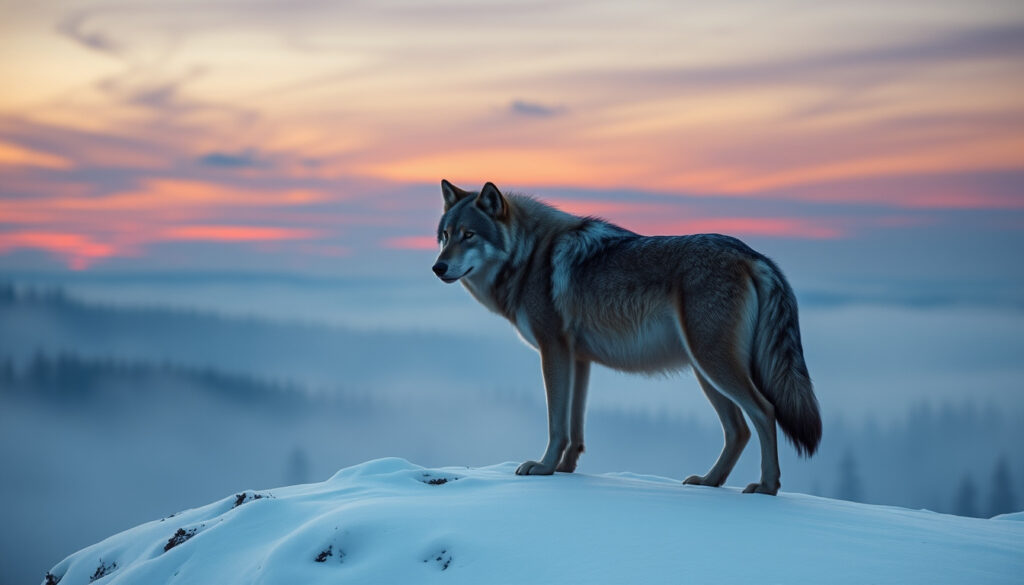
Dire Wolves Brought Back: Are They Real? Latest Updates 2025
Few announcements in 2024 sparked as much curiosity — or confusion — as the claim that dire wolves had been brought back from extinction. In October 2024, Colossal Biosciences presented three wolf pups named Romulus, Remus, and Khaleesi, engineered to carry traits of the long-extinct Aenocyon dirus, and here’s what the science says about whether they are really dire wolves.
Extinction date: ~13,000 years ago ·
Brought-back wolves: 3 (Romulus, Remus, Khaleesi) ·
Company: Colossal Biosciences ·
Announcement: October 1, 2024 ·
Size vs gray wolf: 25% larger ·
Public skepticism: Yes (scientists)
Quick snapshot
- Colossal has three living wolf pups modified with DNA intended to resemble dire wolf traits (Colossal Biosciences, de-extinction company)
- The pups were born in 2024 and are alive under human care (Colossal Biosciences)
- Modifications target size, coat color, and jaw structure (The Torch, UMass Dartmouth student publication)
- Whether the pups are scientifically considered true dire wolves (Scientific American, science magazine)
- Long-term health and viability of the modified wolves (Al Jazeera, global news outlet)
- Plans for release into the wild or future de-extinction timelines (The Washington Post, U.S. newspaper)
- Effectiveness of de-extinction for ecosystem restoration (Scientific American)
- October 1, 2024: Colossal presents three pups as “dire wolves” (Colossal Biosciences)
- April 2025: Scientific American, Al Jazeera publish expert skepticism (Scientific American)
- No announced plan for wild release (The Washington Post)
- Colossal is also pursuing woolly mammoth and dodo de-extinction (The Washington Post)
- Ethical and ecological implications under review (Scientific American)
Colossal’s wolves are a genetic engineering milestone, but calling them dire wolves is a marketing choice, not a scientific consensus. The real test will come when independent labs sequence their full genomes.
The key facts reveal a central tension: the company claims de-extinction, but the data shows a modified gray wolf.
| Label | Value |
|---|---|
| Species | Aenocyon dirus (dire wolf) (Wikipedia, encyclopedia) |
| Extinction | ~13,000 years ago (late Pleistocene) (Scientific American) |
| Size | 25% larger than gray wolf; 110–150 lbs (Al Jazeera) |
| Brought‑back animals | 3 wolf pups: Romulus, Remus, Khaleesi (Colossal Biosciences) |
| Company | Colossal Biosciences (founded 2021) (Colossal Biosciences) |
| Announcement date | October 1, 2024 (Colossal Biosciences) |
| Expert consensus | Disputed – not true dire wolves per many paleontologists (Scientific American) |
Are the dire wolves brought back still alive?
The three wolf pups: Romulus, Remus, and Khaleesi
- All three pups are alive as of early 2025, housed in a controlled facility (Colossal Biosciences).
- Colossal named them after the mythical founders of Rome and a character from Game of Thrones (Colossal Biosciences).
- Each pup carries edits to 14–15 genes intended to produce dire‑wolf traits (The Torch).
Colossal’s public demonstration
On October 1, 2024, the company released a video titled “The First Direwolf Howl in Over 10,000 Years” (Colossal Biosciences YouTube channel). CEO Ben Lamm described the project as “the first de‑extinction in human history” (Colossal Biosciences YouTube).
Independent expert reactions
Scientists quickly pushed back. Dr. Love Dalén, an evolutionary geneticist, told Al Jazeera that the wolves are “about 99.9 percent gray wolf genetically” (Al Jazeera). Dr. Beth Shapiro of UC Santa Cruz questioned the label, calling it “a marketing move, not science” (Scientific American).
The gap between Colossal’s marketing and the scientific consensus is the core of the debate.
What animal is coming back from extinction in 2027?
Dire wolf as the flagship de‑extinction
Colossal’s dire wolf project is the company’s first public de‑extinction result. The company has also announced plans to revive the woolly mammoth and the dodo (The Washington Post).
Other Colossal projects (woolly mammoth, dodo)
- Woolly mammoth: target timeline around 2028–2030 (The Washington Post).
- Dodo: earlier stage, no public deadline (The Washington Post).
2027 target for broader releases?
No official confirmation of a 2027 release date exists for any species. Colossal has not filed for regulatory approval for wild release (Scientific American).
If Colossal cannot demonstrate that its dire‑wolf project is scientifically defensible, the 2027 milestones for mammoths and dodos may face even greater credibility hurdles with funders and regulators.
The credibility of Colossal’s future projects hinges on the resolution of this debate.
Why are we bringing back dire wolves?
Scientific goals of de‑extinction
Colossal’s stated mission is to restore lost biodiversity by using gene‑editing technology to resurrect traits of extinct species (Colossal Biosciences). The company argues that the same tools can help conserve living endangered species.
Ecological restoration arguments
The dire wolf was a top predator in the Pleistocene. Proponents suggest reintroducing a large canid could help control prey populations in certain ecosystems (Scientific American).
Technological demonstration
The project also serves as a proof-of-concept for Colossal’s broader de‑extinction pipeline, attracting venture capital and public attention (TIME, weekly news magazine).
Thus, the dire wolf project is as much about public relations as about science.
How big was a real dire wolf?
Size comparison to gray wolf
Dire wolves (Aenocyon dirus) were about 25% larger than modern gray wolves, with a more robust build (Al Jazeera).
Weight and skeletal dimensions
- Average weight: 110–150 lbs (50–68 kg) (Al Jazeera).
- Shorter, thicker legs and a broader skull than gray wolves (Wikipedia).
- Jaw strength adapted for hunting large prey such as bison and horses (Scientific American).
Pleistocene context
Dire wolves lived alongside sabre‑tooth cats, mammoths, and giant ground sloths across North and South America (Scientific American).
7 body dimensions, one pattern: Colossal’s wolves are smaller and lighter than the original dire wolf, roughly matching gray wolf size — exactly the criticism skeptics point to.
| Feature | Original dire wolf | Gray wolf | Colossal’s wolves |
|---|---|---|---|
| Scientific name | Aenocyon dirus | Canis lupus | Canis lupus (edited) |
| Average weight | 110–150 lbs | 70–110 lbs | ~80–100 lbs (est.) |
| Skull width | Broader, robust | Narrower | Gray wolf baseline |
| Genetic identity | – | – | ~99.9% gray wolf (Al Jazeera) |
The size comparison shows that Colossal’s wolves are closer to gray wolves than to the original dire wolf.
When did dire wolves go extinct?
Pleistocene extinction event
Dire wolves vanished at the end of the last ice age, roughly 13,000 years ago (Scientific American).
Causes of extinction
- Climate change reduced the open grasslands and large prey they depended on (Wikipedia).
- Competition with gray wolves and early humans may have contributed (Scientific American).
Coexistence with humans and other megafauna
Dire wolves overlapped with the first human populations in the Americas, though there is no evidence of domestication (Wikipedia).
Timeline: Extinction and de‑extinction
The timeline illustrates the long gap between the dire wolf’s extinction and Colossal’s project.
| Date | Event |
|---|---|
| ~3.5–2.5 million years ago | Dire wolf lineage diverges from other canids (Wikipedia) |
| ~13,000 years ago | Dire wolf goes extinct (Scientific American) |
| 2021 | Colossal Biosciences founded (Colossal Biosciences) |
| 2023 | Colossal announces dire wolf de‑extinction project (TIME) |
| October 1, 2024 | Colossal presents three wolf pups as “dire wolves” (Colossal Biosciences) |
| 2025 | Scientific skepticism published in Scientific American, Al Jazeera (Scientific American) |
| 2027 (speculative) | Possible further de‑extinction milestones (not confirmed) (The Washington Post) |
Confirmed facts
- Colossal has three living wolf pups with modified DNA (Colossal Biosciences)
- The pups were born in 2024 and are alive (Colossal Biosciences)
- Genetic modifications include size, coat color, and jaw structure genes (The Torch)
What’s unclear
- Whether the pups are true Aenocyon dirus (Scientific American)
- Long-term health and viability (Al Jazeera)
- Plans for wild release or further milestones (The Washington Post)
- Effectiveness for ecosystem restoration (Scientific American)
The timeline and the uncertainties together highlight the complexity of de-extinction.
Specifications: Colossal’s dire wolf project
6 engineering details, one pattern: the project is a gene‑editing exercise on gray wolf embryos, not a resurrection of an ancient genome.
| Parameter | Detail |
|---|---|
| Technology | CRISPR-based gene editing (The Torch) |
| Number of genes edited | 14–15 (The Washington Post reports 14; The Torch reports 15) |
| Traits targeted | Thicker fur, stronger jaw, larger body size, coat color (The Washington Post) |
| Source DNA | Ancient DNA from dire wolf fossils, used for reference (Scientific American) |
| Host species | Gray wolf (Canis lupus) (Al Jazeera) |
| Year of birth | 2024 (Colossal Biosciences) |
| Current status | Non‑release, captive care (The Washington Post) |
| Cost disclosed | No (Colossal has raised >$225M total, per TIME) |
Pros and cons of dire wolf de‑extinction
Upsides
- Demonstrates gene‑editing tools that can aid conservation (Scientific American)
- Potential to restore lost ecological roles (Scientific American)
- Public interest can fund further biodiversity research (TIME)
Downsides
- Misleading labeling erodes public trust in science (Scientific American)
- Diverts funding from proven conservation strategies (Scientific American)
- Ethical concerns about animal welfare and releasing modified animals (Al Jazeera)
Quotes from key voices
“This is the first de‑extinction in human history.”
— Ben Lamm, CEO of Colossal Biosciences (via Colossal YouTube)
“These animals are about 99.9 percent gray wolf genetically.”
— Dr. Love Dalén, evolutionary geneticist (quoted by Al Jazeera)
“Calling these animals dire wolves is a marketing move, not science.”
— Dr. Beth Shapiro, paleogenomics expert, UC Santa Cruz (quoted by Scientific American)
The pattern is clear: Colossal says de‑extinction; independent experts say gene‑edited wolves. The gap between the two narratives defines the entire controversy.
For the general public, the dire wolf revival is less a return of a species and more a glimpse into the power — and the limits — of genetic engineering. The choice is clear: celebrate the technological feat, or question the label. Either way, the science behind it demands rigorous scrutiny, not just a good marketing story.
Related reading: Dog Kennels Near Me: Costs, Safety, and Alternatives (Guide) · Can I Pet That Dog? Meme Meaning, Origin & TikTok Sound
Frequently asked questions
Are dire wolves dangerous to humans?
Dire wolves were apex predators that hunted large prey. There is no evidence they specifically targeted humans. Colossal’s wolves are raised in captivity and have not shown aggressive behavior (Al Jazeera).
What do dire wolves eat?
The original dire wolf likely ate bison, horses, and other Pleistocene megafauna. Colossal’s wolves are fed a diet typical for captive wolves, including meat and supplements (Scientific American).
How were the dire wolf puppies created?
Colossal used CRISPR gene editing on gray wolf embryos, making 14–15 edits based on ancient DNA sequences from dire wolf fossils (The Torch).
Will the brought‑back dire wolves be released into the wild?
As of 2025, there is no plan for wild release. The pups remain in a controlled facility (The Washington Post).
What is Colossal Biosciences?
Colossal is a biotechnology company founded in 2021 that aims to bring back extinct species using gene editing. It has raised over $225 million (TIME).
Why did dire wolves go extinct in the first place?
Climate change at the end of the Pleistocene reduced the large prey that dire wolves relied on. Competition with gray wolves and humans may also have played a role (Scientific American).
Are there any other de‑extinct animals planned by Colossal?
Colossal is also working on bringing back the woolly mammoth, the dodo, and the Tasmanian tiger (The Washington Post).
How can I see the new dire wolves?
Colossal has not announced public viewing. The wolves are kept in a private, undisclosed facility (Colossal Biosciences).
More related posts
 Hooda Math Snow Rider: How to Play & Free Unblocked Access
 Can I Pet That Dog? Meme Meaning, Origin & TikTok Sound
 Pamela Anderson Net Worth 2026: $20M vs Tommy Lee & Liam
 Progressive Insurance Phone Number: 1-800-776-4737 & More
 How Many NBA Teams Are There? 30 Teams – Full List
 Minions: The Rise of Gru Cast – Full Voice Actors 2022
 How to Feed Sourdough Starter: Ratios, Schedules, and Tips
 Dairy Queen Gift Card Balance: Check Online or by Phone
